Not every cost cut is equal
Most homeowners want to control remodel cost. That is reasonable. The problem is that not every cost cut is equal.
Some savings make the project simpler without weakening the work. Other savings remove the hidden parts that protect the house: waterproofing, structure, electrical safety, drainage, ventilation, sequencing, and repair allowances.
A good remodel budget should explain what is being simplified, what is being deferred, and what should not be skipped.
Smart savings vs. risky shortcuts
| Better place to save | Risky place to cut | Why it matters |
|---|---|---|
| Simpler tile pattern | Shower waterproofing | Tile is visible, but waterproofing protects the structure |
| Standard vanity size | Plumbing corrections | A cheaper vanity does not help if leaks or drain issues remain |
| Stock door or cabinet profile | Electrical safety | Electrical shortcuts can create safety and inspection problems |
| Fewer layout changes | Structural repair | Keeping layout saves trades; ignoring structure creates risk |
| Standard paint and trim | Ventilation | Poor ventilation can damage paint, trim, cabinets, and grout |
| Phased cosmetic upgrades | Moisture repair | Covering moisture damage can make the next repair bigger |
| Fewer luxury fixtures | Drainage corrections | Drainage problems usually return if the source is not fixed |
The best savings usually come from simplifying the scope
A remodel usually gets more expensive when it changes the layout, touches more trades, or opens more finished areas. Keeping plumbing, appliances, walls, flooring transitions, and major electrical locations in place can reduce cost without lowering the quality of the work.
That does not mean the cheapest scope is always the best scope. It means the budget should be reduced by removing unnecessary complexity, not by hiding risks.
Cut, keep, or defer
Budget decisions get easier when they are sorted into what can be simplified, what should stay protected, and what can wait.
Usually safe to simplify
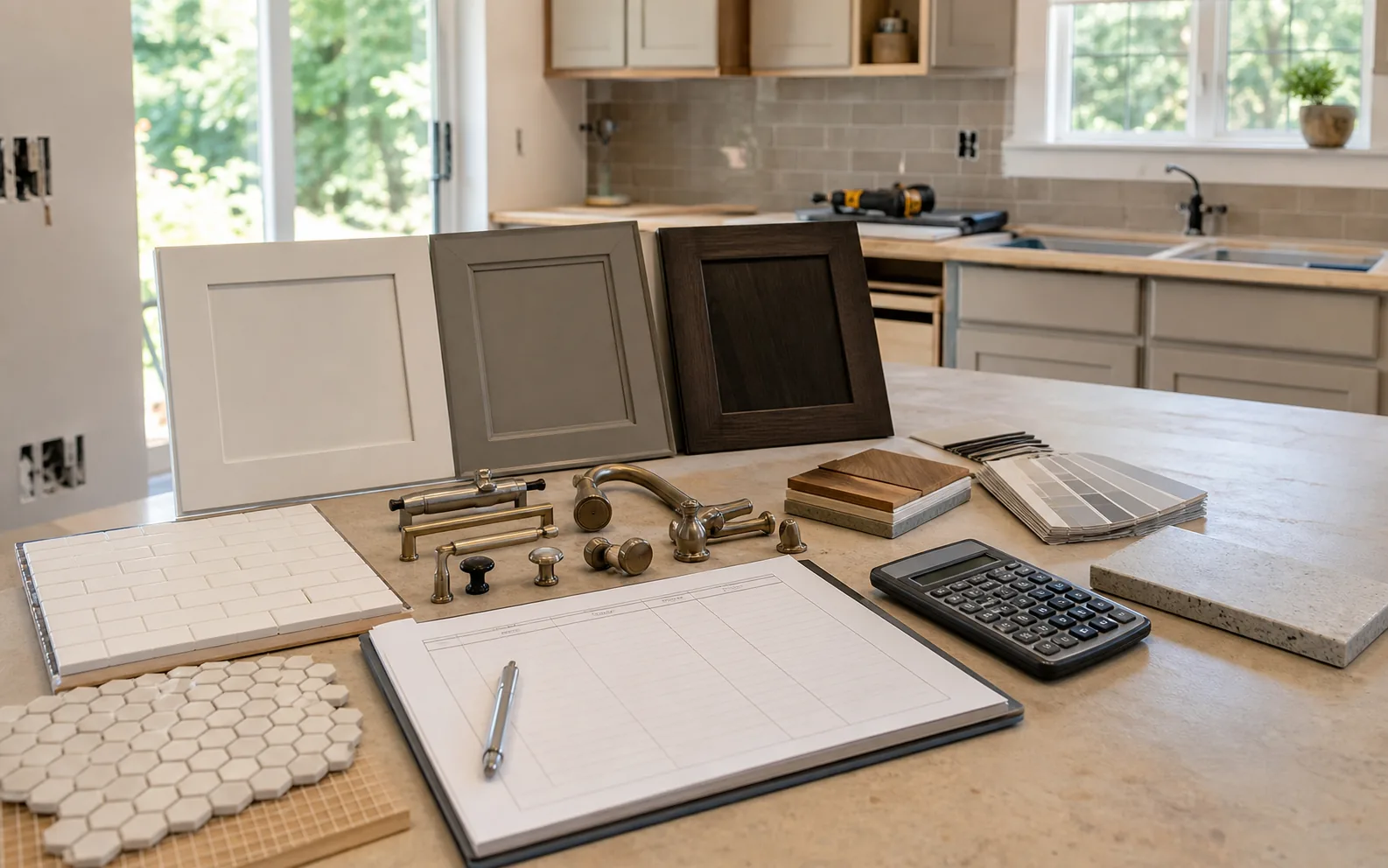
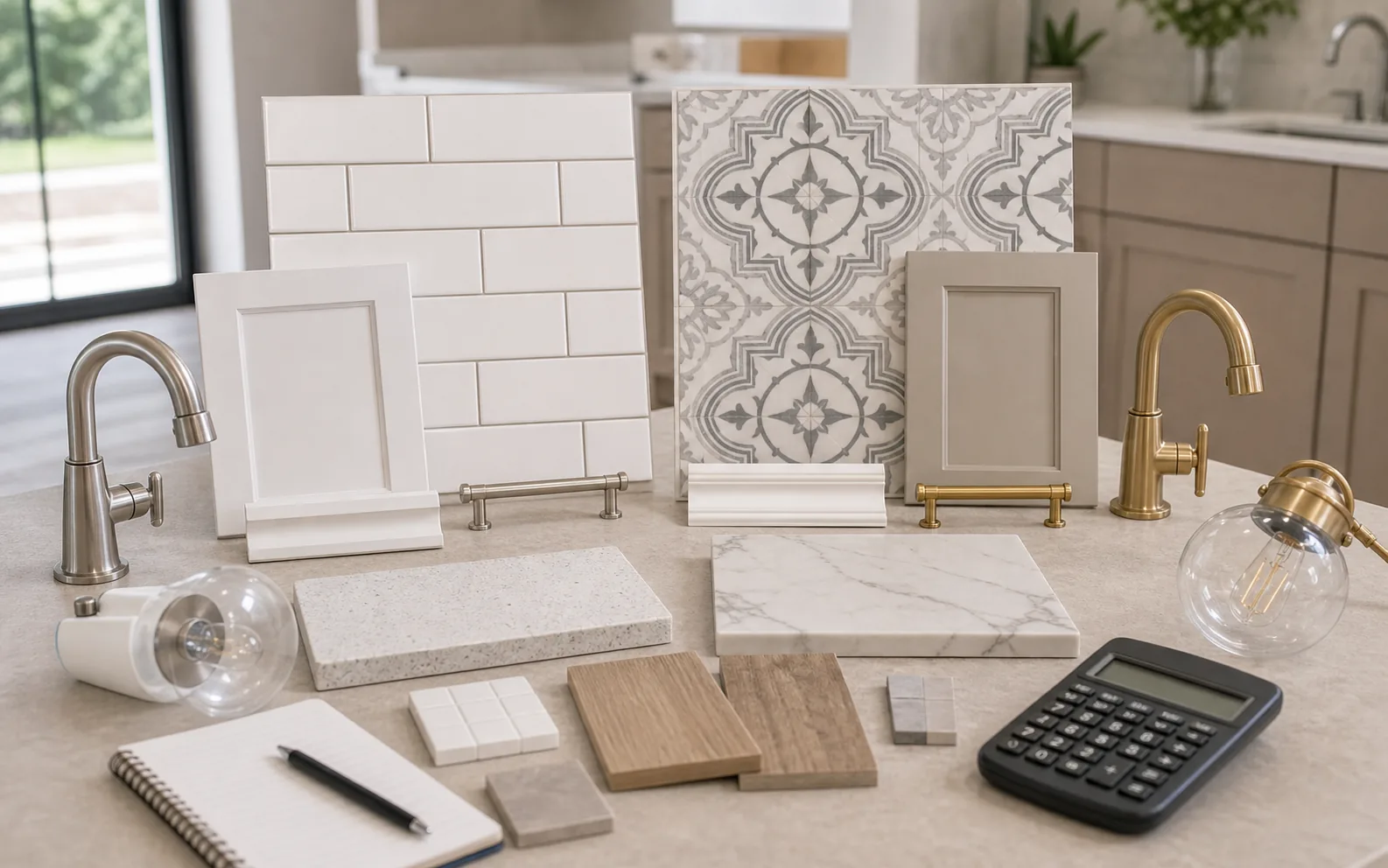
- Tile size or pattern
- Decorative lighting
- Cabinet door style
- Hardware level
- Paint color complexity
- Specialty trim details
- Premium fixture upgrades
Usually not safe to cut
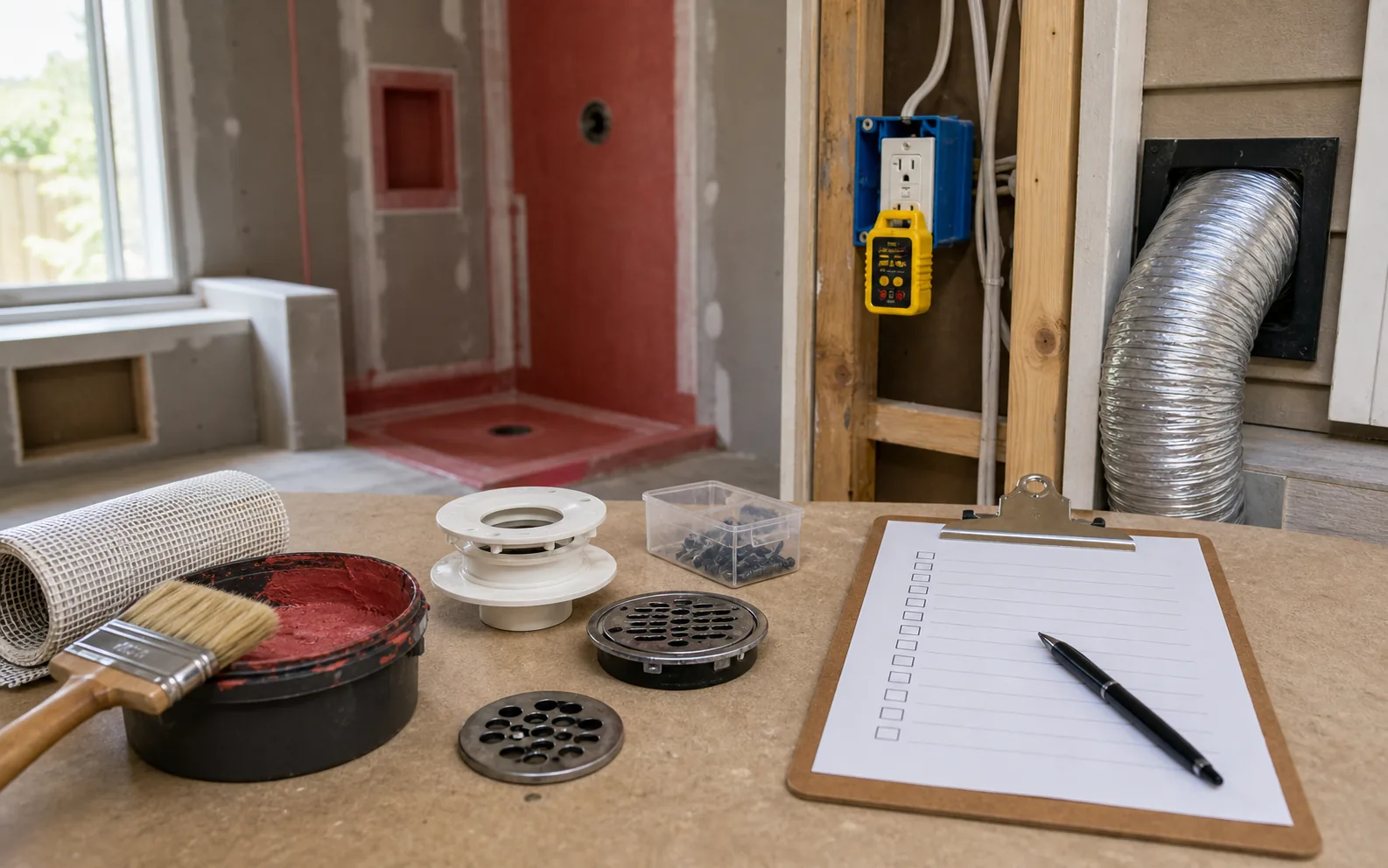
- Waterproofing
- Electrical safety
- Active leak repair
- Drainage correction
- Structural repair
- Ventilation
- Substrate prep
- Code-required work
Often possible to defer
- Secondary bathroom upgrades
- Built-ins
- Decorative backsplash upgrades
- Closet accessories
- Exterior cosmetic improvements
- Non-urgent finish upgrades
Do not chase the lowest number without comparing scope
A low estimate may be missing prep work, materials, protection, cleanup, permits, or repair allowances. Before choosing a cheaper number, compare what is included, what is excluded, and how changes will be handled.
The FTC advises homeowners to get written estimates that describe the work, materials, completion date, and price, and not to automatically choose the lowest bidder. The Texas Attorney General gives similar warnings about unusually low bids possibly leaving out expected tasks or using lower-quality labor or materials.
Related next steps
Checklist
- Keep working layouts when practical
- Use simpler finish selections
- Do not skip waterproofing
- Do not hide water damage
- Phase without repeating labor
- Prioritize safety and function
- Confirm exclusions in writing
Related project
Family Kitchen Refresh
See how keeping scope clear helps separate finish choices from trade and hidden-condition costs.