Start with rent-ready, not perfect
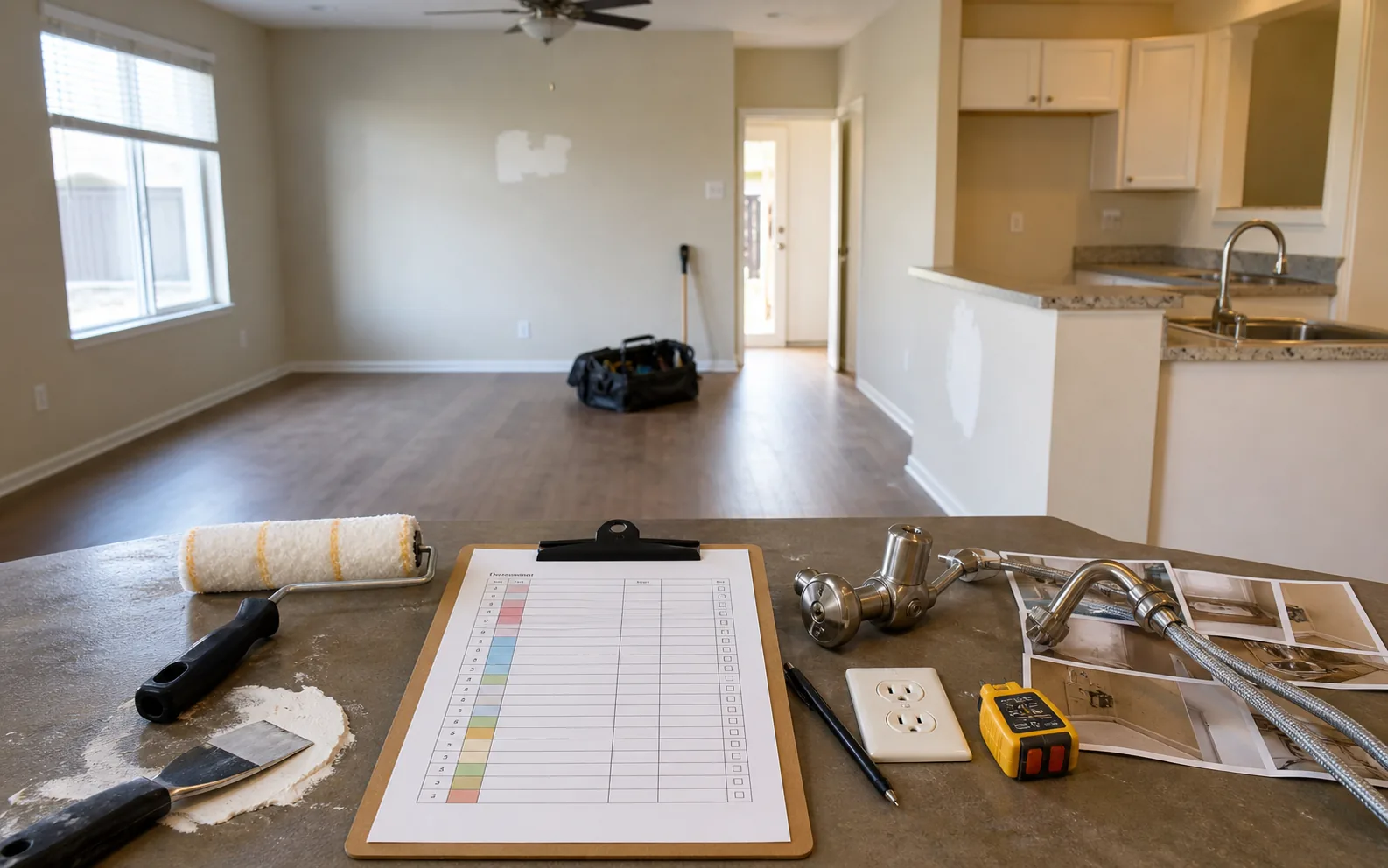
A rental turnover gets expensive when every small repair becomes a separate emergency call. The better approach is to walk the property once, organize the repair list by room and trade, then sequence the work so the unit becomes rentable without wasted trips.
The goal is not to remodel everything. The goal is to make the property safe, functional, clean, durable, and ready for the next tenant at the right rent level.
A turnover should match the property, rent level, tenant expectations, and long-term maintenance plan. Some items must be fixed before move-in. Some cosmetic items can be touched up. Some upgrades should wait until the next larger remodel.
The mistake is treating everything the same. A broken lock, active leak, dead outlet, weak AC, missing smoke alarm, damaged flooring edge, and stained wall are not equal priorities.
Rental turnover priority table
| Priority | Examples | Why it matters |
|---|---|---|
| Blocks occupancy | Broken exterior lock, active leak, no cooling, no hot water, unsafe electrical, missing required appliance | These items can delay move-in or create immediate complaints |
| Safety or security | Smoke alarms, door locks, window latches, trip hazards, exposed wiring, loose handrails | These should be checked before cosmetic work |
| Water or moisture | Plumbing leaks, toilet leaks, sink cabinet damage, roof/window leak signs, soft drywall, swollen baseboards | Water problems get worse when covered with paint or flooring |
| Function | Doors, drawers, drains, appliances, HVAC, lights, outlets, fans, disposal, garage door | Tenants will test these immediately |
| Durability | Caulk, grout, flooring transitions, cabinet hinges, trim, exterior door weatherstripping | Small failures become repeat maintenance calls |
| Cosmetic | Paint touchups, small drywall patches, blinds, trim scuffs, hardware, cleaning | Important, but should happen after dusty and wet work |
| Optional upgrade | New fixtures, backsplash, premium flooring, cabinet refresh, lighting upgrades | Good only when it supports rent level or long-term ownership plan |
Room-by-room turnover checklist
Use the walkthrough to find grouped work, not one-off calls. Each room should produce a short list by trade, priority, material, and occupancy impact.
Entry and exterior doors
- Exterior locks work
- Deadbolt works
- Door closes and latches
- Weatherstripping is intact
- Door sweep is not dragging or missing
- Door frame is not damaged
- Keys are confirmed
Living areas
- Drywall damage marked
- Paint touchups identified
- Flooring damage marked
- Ceiling stains checked
- Outlets and switches tested
- Windows open, close, and lock
- Blinds or window coverings checked
Kitchen
- Sink and faucet tested
- Disposal tested
- Dishwasher tested
- Refrigerator space checked
- Range or cooktop checked
- GFCI outlets tested if present
- Cabinet doors and drawers adjusted
- Countertop damage noted
- Caulk at sink and backsplash checked
Bathrooms
- Toilet runs, leaks, or rocks
- Tub/shower drains correctly
- Shower valve and trim work
- Exhaust fan works
- Vanity faucet and drain checked
- Caulk and grout checked
- Mirror, towel bars, and accessories secure
- Water stains or swollen trim photographed
Bedrooms
- Doors latch
- Closet doors work
- Windows lock
- Smoke alarms checked
- Flooring damage marked
- Paint and drywall touchups listed
Laundry and mechanical areas
- Washer box checked
- Dryer vent path checked
- Water heater area checked
- HVAC filter size noted
- Condensate line or pan concerns noted
- Electrical panel access clear
Final punch
- Utilities tested
- Trash removed
- Paint touchups complete
- Floors cleaned
- Appliances wiped
- Keys and remotes confirmed
- Photos taken after completion
Safety items should not be treated as cosmetic punch work
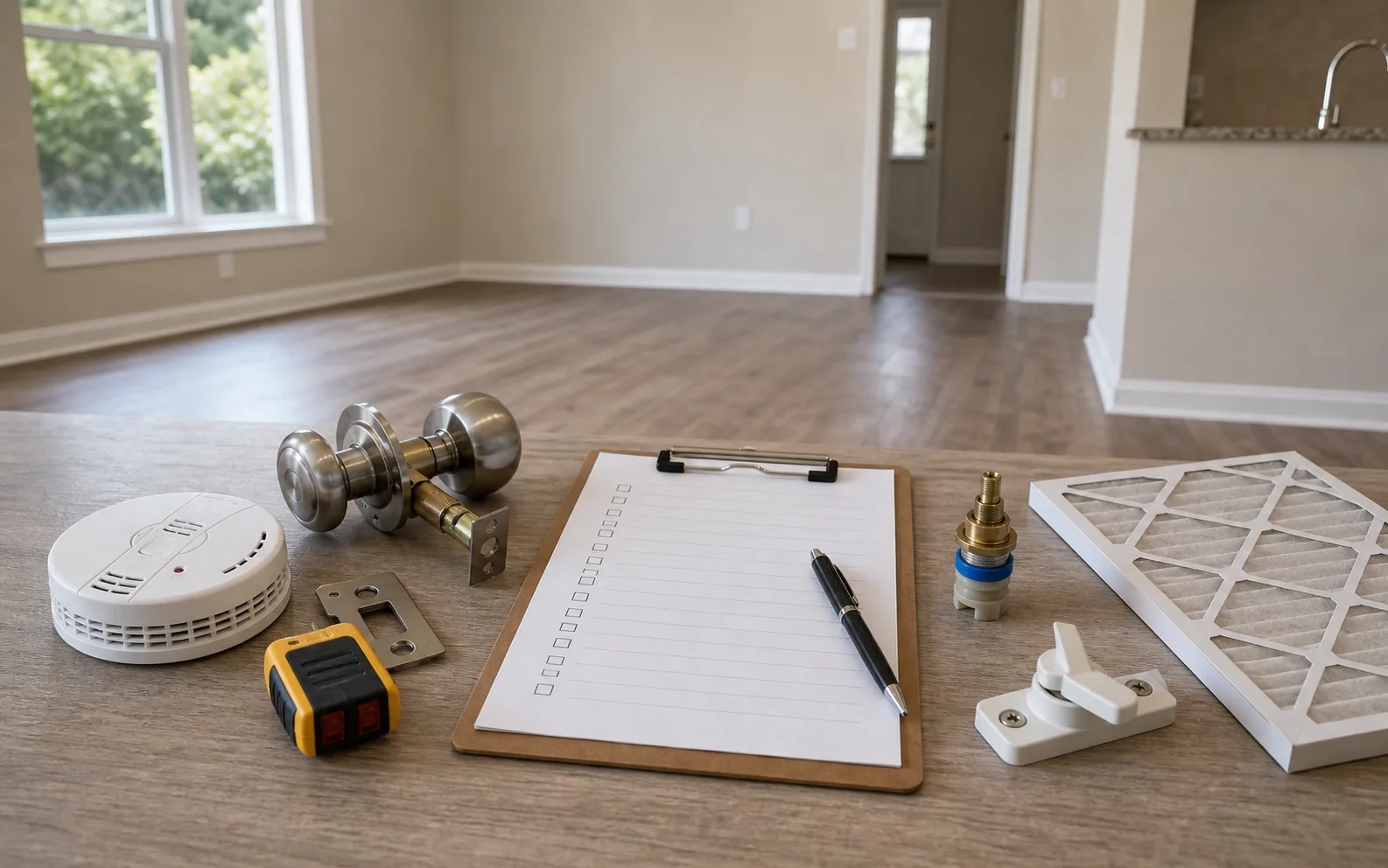
Before move-in, rental owners should pay special attention to smoke alarms, locks, security devices, electrical hazards, leaks, HVAC function, hot water, trip hazards, and promised appliances. These items affect safety, security, comfort, and tenant complaints much more than small paint scuffs.
Texas Attorney General renter guidance says landlords must provide smoke detectors and discusses required security devices such as window latches, keyed deadbolts, sliding door locks or bars, and door viewers.
Older rental property note
If the property was built before 1978 and repair work will disturb painted surfaces, lead-safe work requirements may apply. Do not treat sanding, scraping, drywall repair, trim replacement, or painting prep as ordinary cosmetic work until the age and painted surfaces are considered.
EPA guidance says, in general, anyone paid to perform work that disturbs paint in housing and child-occupied facilities built before 1978 must be certified.
What to send for a rental turnover scope
A clear intake package helps turn the turnover into a practical repair plan instead of scattered emergency calls.
- Property address
- Target rent-ready date
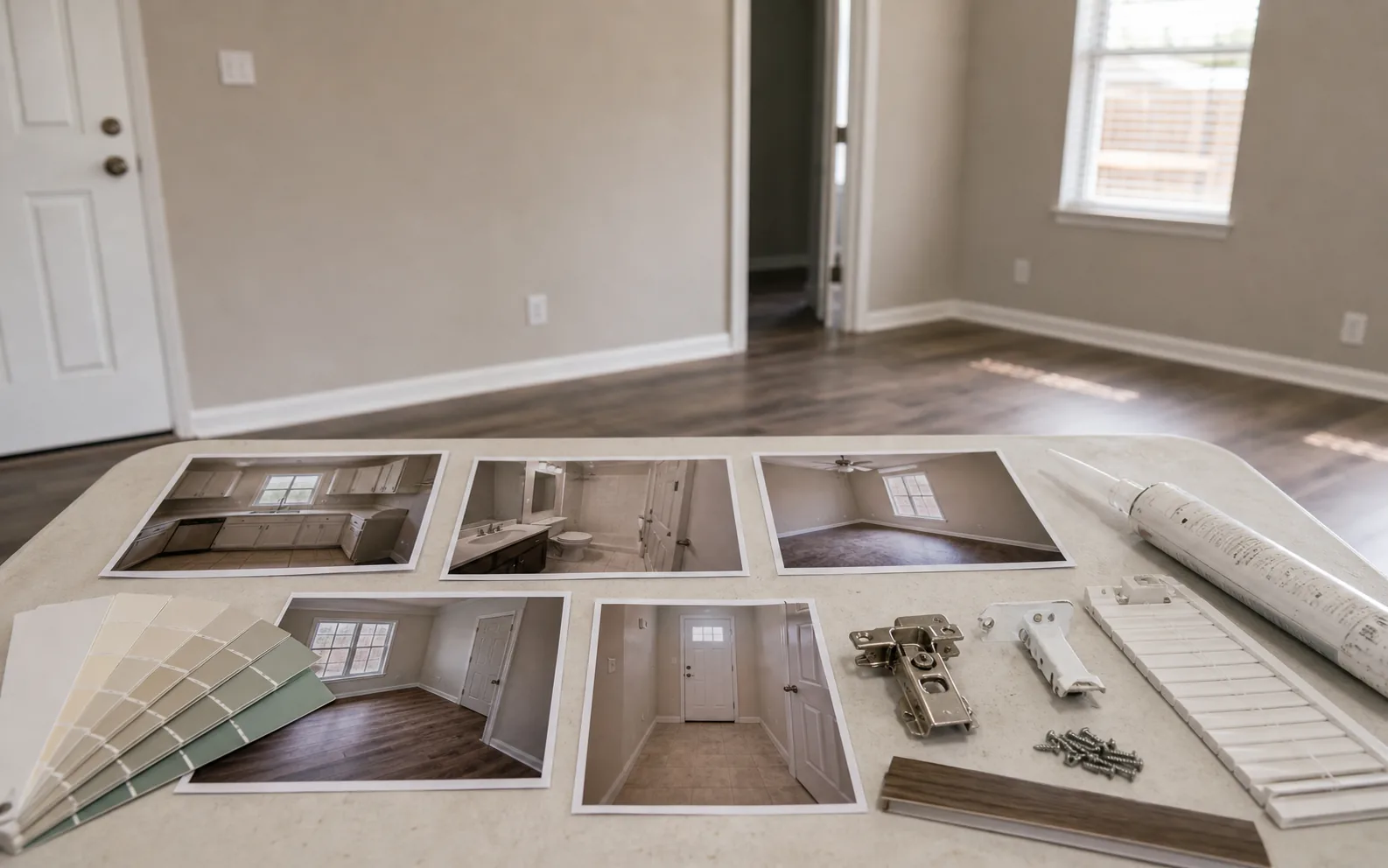
- Room-by-room photos
- Video walkthrough if available
- Existing repair list
- Lease-required appliances
- Known tenant damage
- Known owner upgrades
- Any water, electrical, HVAC, or lock concerns
- Whether the property is occupied or vacant
- Any HOA, condo, building, or access restrictions
Related next steps
Checklist
- Locks and doors
- HVAC operation
- Electrical devices
- Plumbing leaks
- Appliance function
- Drywall damage
- Tile and flooring
- Paint touchups
- Smoke detectors
- Final cleaning
Related project
Storm Repair and Finish Restoration
See how repair documentation and finish restoration planning apply to practical turnover work.